Asset-Light. Lean. Founder-Driven.
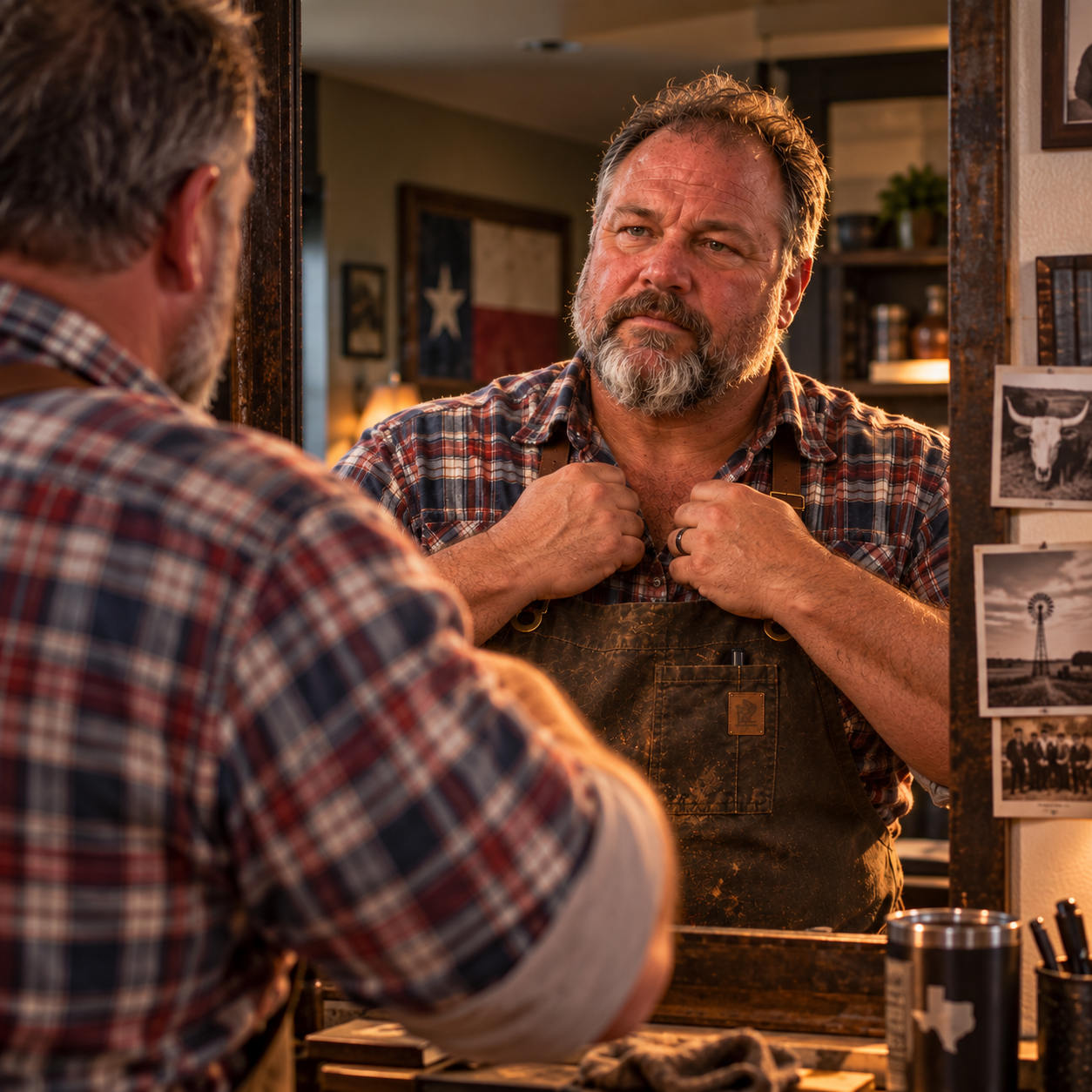
His Words After: Exposed, Thin, Concentrated.

RECOGNITION
Ember & Oak Provisions is a founder-led barbecue sauce and rub brand. Revenue has compounded at roughly 35% a year. A national warehouse club carries the hero items. Core volume runs through an SQF-certified co-manufacturer, with a small company facility for specialty batches. Twenty-eight people work there.
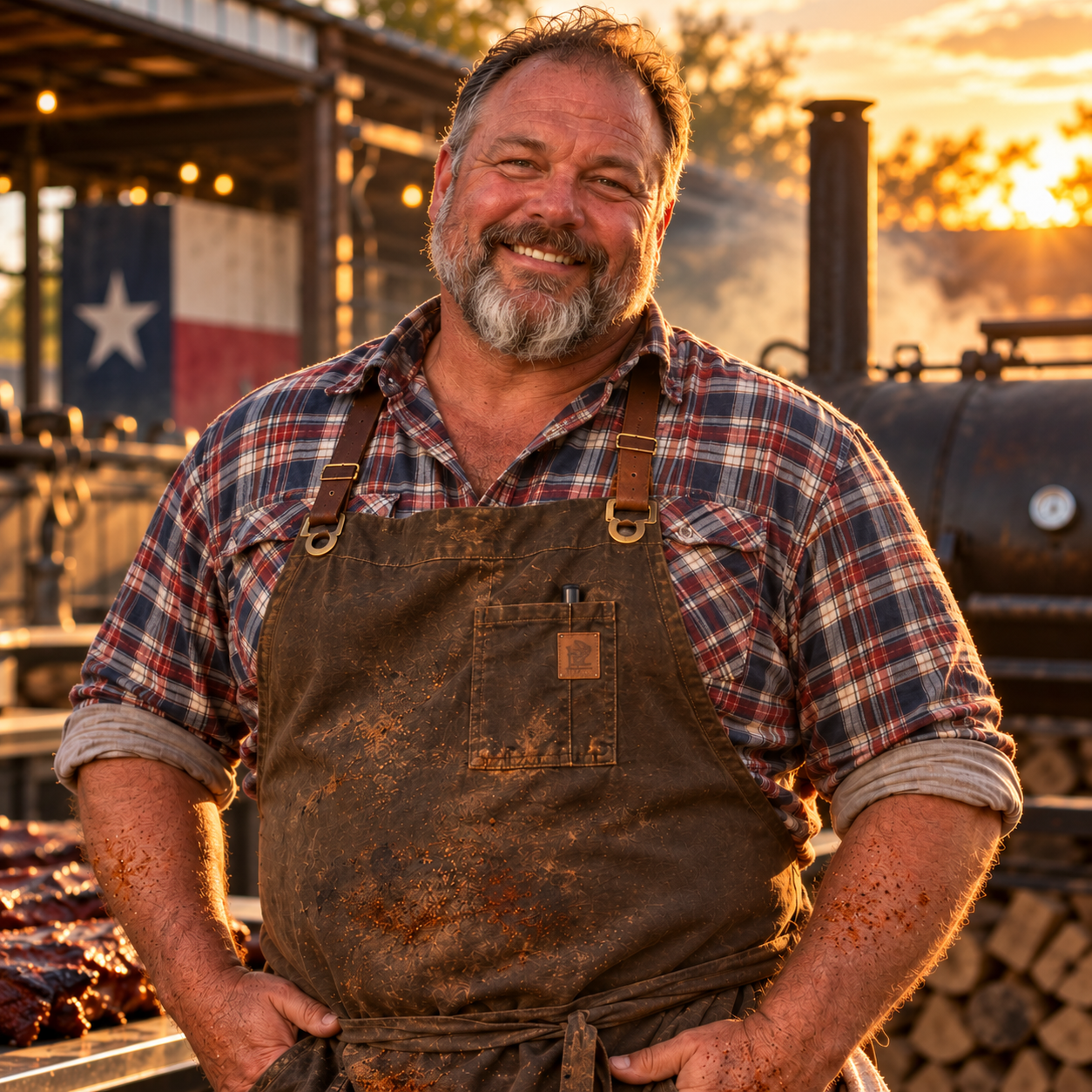
The owner, Wade Boone, describes the business in three phrases: asset-light, lean, founder-driven. All three are accurate. The product wins on taste, and the reorders show it.
A buyer looking at this is looking at a good business. The open question is how much of it changes hands.
THE PATTERN
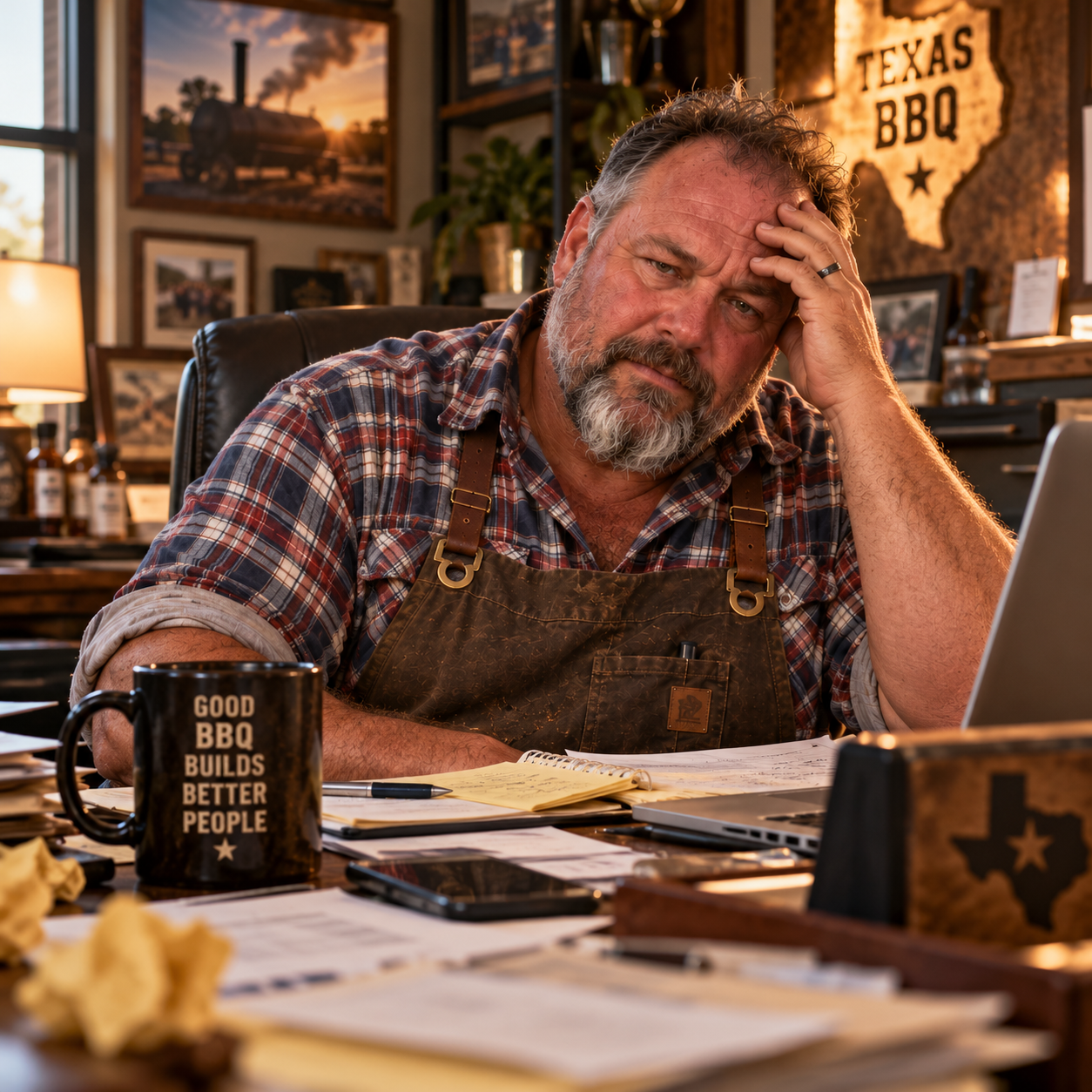
Each of the three phrases names a strength. Each one is also where an exposure sits.
Asset-light means someone else makes the product. Lean means one layer of people. Founder-driven means the recipe, the club relationship and the new-product pipeline all run through one person.
None of that is a defect. It is how a brand this size usually gets built. It does change what a buyer is purchasing.
In the hot seat, Boone separated what protects the business from what he assumes protects it. On what keeps the co-manufacturer from taking a similar product to the same club under another label, he said:
"What stops that? Right now? A man I trust and a handshake.
That's the honest answer. That's the whole wall."
Wade Boone, CEO of Ember & Oak Provisions*
That was one of several. By the end of the session and the retake, he had stated each of these himself:
THE TURN
| What the Seller Stated | Where it goes |
|---|---|
| The formula runs through the co-manufacturer's plant every day. The relationship is managed by phone, and he could not say what the agreement protects. | Operational finding. Contract terms go to counsel. |
| One club is about 44% of revenue. The relationship is personal to him, and the program can be recut or reslotted. | Operational finding. |
| Margin after trade spend, promotions and deductions is a number he “couldn't quote you cold.” Inventory is funded ahead of club pulls. | Goes to Quality of Earnings. |
| There is no second person on any seat, and new products come from him alone. | Operational finding. |
| Food safety and recall readiness rest on the co-manufacturer's process, and on “I think it's handled.” | Operational finding. Coverage and liability go to counsel. |
| He intends to stay on as the face of the brand, and said the growth runway assumes a version of him that isn't burned out. | Counterparty. |
After the session he answered the same assessment again, this time as if the business changed hands that day. His closing note:
"I called all of it asset-light and lean and founder-driven.
The honest words are exposed, thin, and concentrated."Wade Boone, CEO of Ember & Oak Provisions*
Nothing about the business changed between the two assessments. What the buyer has now is the seller's own account of what transfers, before a price is named.
Protective Ascent does not read the co-manufacturing agreement, rebuild the P&L, or say what any of this does to price. It tells the buyer's counsel and QoE provider where to look first, and why it matters operationally.
WHAT'S NEXT?
If a target is described to you as asset-light, lean, or founder-driven, each phrase deserves a second reading from the buyer's chair.
Protective Ascent is a Buyer-side assessment of continuity and transferability before the LOI. It tests what appears capable of transferring, what still depends on the Seller, and what deserves another look before you rely on it.
Having taken a sober look in the mirror at what the business looks like without them in it, he is in a much clearer position to understand how ready (or not ready) his business is to be acquired and what that involves.
* This is an illustrative scenario built from a Protective Ascent hot seat simulation. The business, the people and the figures are fictional. Seller statements are taken from the simulated session and retake.